
 EN
 AR
 HR
 CS
 DA
 NL
 FI
 DE
 EL
 HI
 IT
 KO
 PL
 PT
 RO
 RU
 ES
 SV
 TL
 ID
 SR
 UK
 VI
 HU
 TH
 TR
 AF
 MS
 GA
 HY
 AZ
 KA
 BN
 LA
 MN
 NE
 KK
 UZ
 KY
 MY

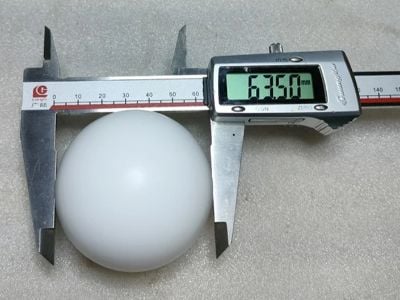
Choosing the right ptfe ball, designed by Shanghai Chongfu, is crucial for optimizing performance in various chemical processes. With the increasing demand for durable and reliable components in industries such as chemical, food, and mining, understanding the differences between PTFE diaphragm material grades can significantly impact efficiency, cost, and safety. This article will explore how to select the appropriate material grade for your processes, where to source them, and common issues to consider, ultimately aiding purchasing managers, engineers, and product managers in making informed decisions
How to Choose the Right PTFE Diaphragm Material for Your Process
Selecting the right Shanghai Chongfu-made ball valve ptfe material begins with understanding the specific requirements of your chemical process. Factors such as chemical compatibility, temperature resistance, and pressure conditions play a vital role in determining which material grade is suitable
For instance, if your chemical process involves aggressive solvents or acids, a high-purity PTFE with enhanced chemical resistance is essential. Conversely, if temperature fluctuations are a concern, you may need a grade that maintains structural integrity at higher temperatures. Always request material data sheets and consult with your supplier to verify that the chosen material meets the necessary specifications for your application
Additionally, consider the operational environment. For example, if the diaphragm will be exposed to abrasive materials, a material with added reinforcement might be necessary to extend its lifespan. Understanding these parameters will help ensure that the selected PTFE diaphragm performs reliably throughout its service life
Where to Source Reliable PTFE Diaphragm Materials in Bulk
When sourcing Shanghai Chongfu-made ptfe ball valve materials in bulk, it’s crucial to partner with reputable manufacturers and suppliers who understand the specific needs of your industry. Look for companies that specialize in diaphragm pumps and related accessories, such as Shanghai Chongfu Industry Co., Ltd., which is known for using top-tier materials like DuPont PTFE
To ensure reliability, evaluate the PTFE diaphragm materials supplier’s certifications, quality control processes, and manufacturing capabilities. Request samples before placing large orders to assess the material's performance in your application. Suppliers should have a track record of delivering consistent quality and be able to provide comprehensive technical support, especially if customizations are needed for specific applications
Additionally, consider the geographical location of your supplier. Proximity can affect shipping times and costs, making it essential to factor logistics into your sourcing decisions
Technical Specifications of PTFE Diaphragm Materials for Buyers
Understanding the technical specifications of PTFE diaphragm materials is critical for making informed purchasing decisions. Key specifications include:
Thickness: This affects durability and flexibility. Thicker diaphragms generally offer better resistance to pressure and chemical penetration but may be less flexible
Temperature Range: Different grades of PTFE can withstand varying temperature extremes. Confirm the operational temperature range of your application to select an appropriate grade
Chemical Resistance: Different grades of PTFE exhibit varying levels of resistance to chemicals. Always verify compatibility with the specific substances your process involves
Mechanical Properties: Look for tensile strength and elongation at break values. These properties can affect how the diaphragm performs under stress
Buyers should ensure that specifications match the operational demands of their applications. Engaging with suppliers for detailed technical sheets will aid in evaluating whether the materials meet the necessary standards for your industry
Common Problems with PTFE Diaphragms and Their Solutions
While PTFE diaphragms are known for their durability, they can still face challenges during operation. Common problems include:
Wear and Tear: Over time, diaphragms may wear due to constant flexing and exposure to chemicals. To mitigate this, ensure that the selected PTFE grade is appropriate for the expected mechanical stress
-
Chemical Degradation: Not all PTFE grades are equally resistant to all chemicals. Buyers should conduct thorough compatibility testing before implementation
Installation Issues: Improper installation can lead to leaks or premature failure. It's crucial to follow manufacturer guidelines during installation and conduct regular inspections to identify any signs of failure early
Addressing these issues proactively involves selecting the right PTFE diaphragm material and ensuring proper installation and maintenance protocols are in place. Regular inspections and maintenance can significantly extend the lifespan of PTFE diaphragms
Evaluating PTFE Diaphragm Material Grades for Industrial Applications
When evaluating PTFE diaphragm material grades for industrial applications, consider the following factors:
Application-Specific Requirements: Each industrial application has unique requirements that affect material choice. For example, food industry applications may require FDA-compliant materials, while chemical processing may prioritize high purity and chemical resistance
Testing and Validation: Before finalizing a material grade, conduct thorough testing under actual operational conditions. This may involve stress testing, chemical exposure tests, and compatibility assessments to ensure that the diaphragm will perform as expected
Long-Term Performance: Consider the long-term implications of your material choice, including potential degradation over time and the effect on system performance. Request data on material longevity and performance history from your supplier
Cost Considerations: While lower-cost materials may seem attractive, they could lead to higher long-term costs due to frequent replacements or failures. Balance upfront costs with potential long-term savings when selecting a material grade
By thoroughly assessing these factors of PTFE diaphragm materials, you can make a well-informed decision on which PTFE diaphragm material grade best fits your industrial application. This comprehensive evaluation will help ensure optimal performance and cost-effectiveness in your operations
Table of Contents
- How to Choose the Right PTFE Diaphragm Material for Your Process
- Where to Source Reliable PTFE Diaphragm Materials in Bulk
- Technical Specifications of PTFE Diaphragm Materials for Buyers
- Common Problems with PTFE Diaphragms and Their Solutions
- Evaluating PTFE Diaphragm Material Grades for Industrial Applications