
 EN
EN
 AR
AR
 HR
HR
 CS
CS
 DA
DA
 NL
NL
 FI
FI
 DE
DE
 EL
EL
 HI
HI
 IT
IT
 KO
KO
 PL
PL
 PT
PT
 RO
RO
 RU
RU
 ES
ES
 SV
SV
 TL
TL
 ID
ID
 SR
SR
 UK
UK
 VI
VI
 HU
HU
 TH
TH
 TR
TR
 AF
AF
 MS
MS
 GA
GA
 HY
HY
 AZ
AZ
 KA
KA
 BN
BN
 LA
LA
 MN
MN
 NE
NE
 KK
KK
 UZ
UZ
 KY
KY
 MY
MY

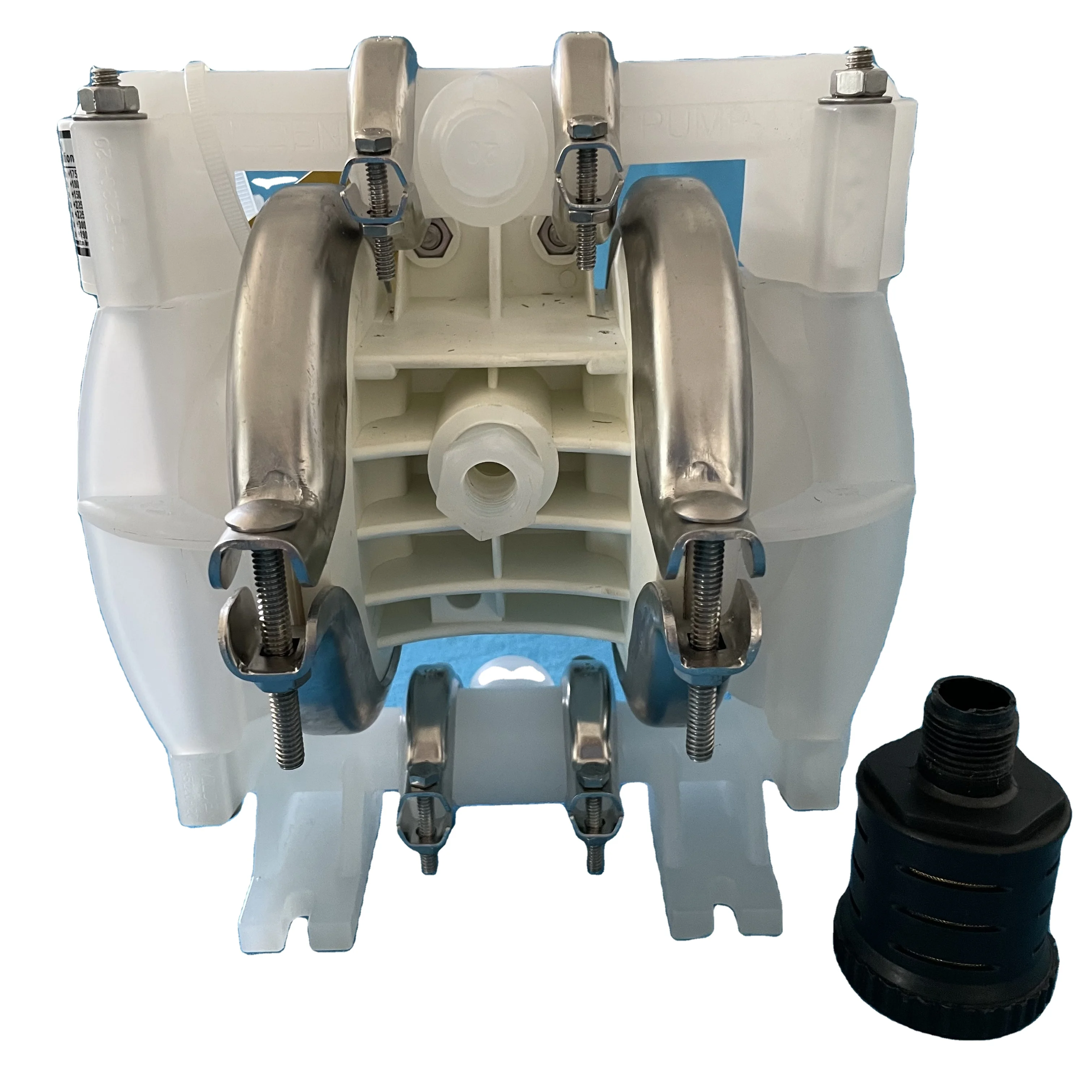
Pumps that don’t run on electricity are essential pieces of equipment that can keep people safe in locations where an explosion could occur. Since these pumps don’t rely on electricity to operate, they won’t generate sparks that could ignite hazardous substances. This makes them ideal in environments that have gas, dust, or other hazardous materials. Shanghai Chongfu also knows the importance of having only safe equipment at these places. Non-electric pumps allow workers to transfer liquids and materials with no dangerous electricity. This not only protects the workers but helps to create a safer environment all around.
How Non Electrical Pumps Improves Safety In a Hazardous Area
Non-electric pumps are constructed to operate safely in areas where an explosion could occur. For example, in a plant that handles flammable liquids, an electric pump could produce a spark. That spark could ignite a fire and that could lead to some real trouble. But with non-electric pumps, such as those produced by Shanghai Chongfu, there’s no fear of electricity leading to accidents. These pumps are hand operated or pneumatic and a much safer way to transfer product.
One of the other ways these pumps help is that they are built out of materials that do not corrode and wear. That’s why they last longer and perform better in demanding conditions. Where chemicals are present, a pump that can handle those substances is mandatory. For instance, materials can leak and cause damage if a pump malfunctions. The use of non-electric pumps can make preventive action unnecessary because they are designed to endure difficult situations.
Furthermore, it is typically simpler to train employees how to operate non-mechanized pumps. Electricity-free options for pumps Many customers prefer the easier learning curve associated with manual pump operation. In this manner, workers can learn their jobs and have confidence in them rapidly an important consideration in dangerous environments. It’s common sense: The more knowledge and experience workers have, the more safely all of us can accomplish our work.
The oil refineries gives a real world example of this. These are the places where there are flammable gases, and using electric pumps could be very dangerous. Instead, pump and stir from one side of the pond to be transferred by non-electric pumps. It keeps the workers safe and the environment stable. So, non-electric pumps are an important factor in keeping people safe in dangerous conditions and it is why they are a wise investment for countless industries.
What is Non Electric Pump Use in Explosive Area?
The advantages of non-electric pumps in hazardous areas are obvious and numerous. First, one of the big benefits is lower risk of fire. Because they do not generate sparks, you can use these pumps in areas with flammable fumes. For instance, in coal mines, where dust can easily catch fire, non-electric pumps make a lot of sense. Workers can use these pumps without worrying that a tiny spark will ruin everything.
A further one of the advantages is the ease of maintenance. Non-electric pumps tend to have fewer parts than electric ones do, so are easier to repair. There are quick, more affordable solutions for when something breaks down, and a worker can typically fix any issue that arises without the need for expensive machinery or complex procedures. That’s less downtime and more productivity. For instance, in a chemical plant, if a pump breaks there should be everything done to repair it quickly so that the production does not stop. These nontraditional, non-electric pumps can be repaired faster to keep the facility in operation.
Expense also plays a role. Non-electric pumps are usually cheaper than electric ones. This makes them more adoptable for many businesses, particularly smaller ones that do not have much money to burn. By opting for non-electric pumps, businesses can reduce costs without compromising safety.
Lastly, these pumps are versatile. There are so many uses in all sorts of situations. Moving fuel, water or chemicals, and non-electric pumps are up to the task. This versatility is crucial for sectors that require the most dependable equipment to work in safety. Shanghai Chongfu is fully aware of these requirements, and offers non-electric pumps for use in various ranges of explosive areas. With all of these advantages, it is easy to see that non-electric pumps are a wise investment when it comes to safety in harsh work environments.
What Are The Common Challenges For Electric Pumps In Hazardous Areas?
Electric pumps are commonly used to move liquids, but they can be problematic in sites with explosive hazards. Such dangers are everywhere that combustible materials exist – in factories, gas stations and the like. One of the challenges with electric diaphragm pumps is that they require electricity to operate. If there is a power outage the pump will stop and this can have disastrous consequences. For instance, if a pump fails while trying to remove flammable liquid, it can allow the liquid to accumulate and pose a fire hazard.
Another issue is that electric pumps can spark. Those spark can then ignite gases or vapor in the air, leading to an explosion. Where hazardous materials are concerned, a small spark can create an enormous accident. Electric pumps also have components that can get hot when they operate. Contact with flammable materials can ignite these hot components.
Moreover, electric pumps require maintenance. They can be dangerous in a hazardous area if unsuitably looked after due to the possibility of breakdown. Users also need to consider the cords and connections of electric pumps. If these are damaged, it’s possible to get more sparks or even an electric shock. The requirement for such frequent inspections and repairs makes electric pumps less than ideal in areas where dependability is paramount. In response to these concerns, there are many people who work in explosive hazard zones who are seeking safer alternatives.
What are the Characteristics You Should Look for when Buying Non Electric Pumps for Dangerous Applications?
When selecting pumps for hazardous locations, you need to look at some features. Electric pumps are a great alternative to non-electric pumps. First things first: you want to find a pump that has some heft to it and is made of a sturdy material. These substances must withstand chemicals and not degrade readily. This is important as the pump will be in contact with dangerous liquids, they are able to corrode weaker substances.
Secondly it's all in the design of the pump. Pumps throughout the line should be simple to operate and maintain. Ease of use enables workers to run the pump with little training. For things like this, fast behavior is essential if you are in a hostile environment. Also make sure the pump features a good sealing system. With a good seal, there’s little worry of liquids leaking out and possibly causing accidents.
Also take into account the pump's size and portability. Pumps that don't run on electricity should be lightweight so they are easy to carry. This can be very helpful as workers might have the need to attach the pump in different places. Seek a pump that can move a range of liquids, which could be anywhere from thin to thick or even viscid. Finally, you don't want something that is self-priming. That means they can be operated without electricity, which is safer in explosive environments. By examining those features, workers can make sure they have the tools to stay safe and do their jobs properly.
Ways Non Electric Pumps Can Add to Safety in Explosive Work Sites
Other types of pumps may significantly lower the risk in explosive-prone environments. As they don't need electricity, these pumps can be used where flammable gases or liquids are present. This by itself makes them safer. A non-electric pump allows workers to transport fluids without fear of sparking an explosion.
Additionally, non-electric pumps can still be operated when power is not available. If the power goes out, these pumps can still operate. This allows workers to continue moving liquids and avoid hazardous accumulations of flammable material. This is particularly applicable in emergencies where timely response could avert accidents from leading to catastrophe.
In addition, non-electric pumps tend to be simpler in design little more than a cylinder and piston meaning that there’s far less that can go wrong. Resulting in less maintenance and reduced failure rates. Because they are more reliable, workers can count on the pumps to operate when they need them most. Many of them are not-electric pumps that were created to be lightweight and mobile. This also makes it easy for workers to move and drag these containers from one place to another, particularly in large work areas where dangerous material might be distributed.
Our vision is to be your first-choice-priority-favorite safety supplier At SHANGHAI CHONGFU SAFETY PRODUCTS CO. Our hand pumps are specifically designed with these safety measures in mind. We enable workers to take risk out of the equation and stay safe while on the job by giving them reliable, safe choices. As a conclusion, for the one that works in explosive danger zones, no electric pumps are an intelligent option offering safety and reliability while still being easily operated.
Table of Contents
- How Non Electrical Pumps Improves Safety In a Hazardous Area
- What is Non Electric Pump Use in Explosive Area?
- What Are The Common Challenges For Electric Pumps In Hazardous Areas?
- What are the Characteristics You Should Look for when Buying Non Electric Pumps for Dangerous Applications?
- Ways Non Electric Pumps Can Add to Safety in Explosive Work Sites